Beach Bum: A Designer's Real-World Embroidery Review
As someone who has spent years navigating the intersection of digital design files and physical thread, I approach every new machine embroidery design with a critical eye. It is not enough for a graphic to look good on a screen; it must translate seamlessly into a tangible, high-quality finished product. Today, I am evaluating the Beach Bum design, a popular asset often marketed alongside terms like Beach Svg, Beach Png File, and Beach Quote Svg. While many creators focus solely on the cut-test compatibility mentioned in listings—such as being tested on a Titan 3 cutter for Cricut users—we need to dig deeper into how this specific aesthetic holds up when we move from vinyl cutting to actual stitching.
The First Impression: Mood and Visual Personality
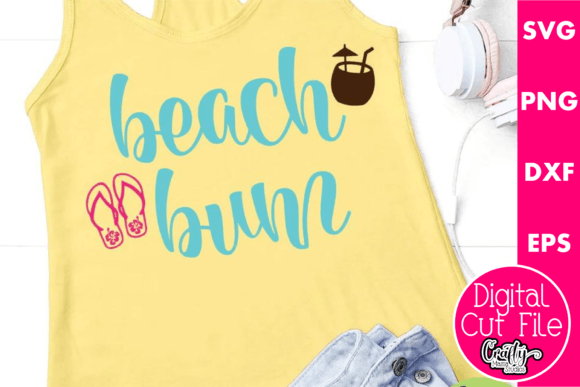
When I first opened the Beach Bum file in my digitizing software, the immediate vibe was unmistakably relaxed and summery. The design leans heavily into the playful side of Crafts, featuring bold lines and a layout that suggests movement. For an embroidery project, the visual personality is crucial. This particular Graphics file feels less like a delicate floral applique and more like a statement piece meant for casual wear or home decor. The shapes are generally solid, which is a positive indicator for fill stitch coverage, but the specific curves and corners require careful attention during the digitization process to prevent puckering.
The mood it creates is one of nostalgia and leisure, making it an excellent candidate for seasonal collections. However, the success of Beach Bum relies entirely on how well the details are rendered in thread. If the design relies too heavily on tiny, intricate text within the "Beach Bun" elements, it may struggle on textured fabrics. My initial assessment is that this design shines best when scaled appropriately, allowing the satin stitches to flow smoothly along the edges without becoming muddy.
A Real-Life Scenario: The Custom Tote Bag Project
To truly understand the utility of Beach Bum, let us imagine a real-world scenario. I am preparing a batch of custom canvas tote bags for a local boutique owner who wants to launch a summer line. These are not just simple bags; they are branded merchandise intended to be carried at the beach, farmers markets, and coffee shops. The client needs a design that looks professional, durable, and instantly recognizable.
I decide to use the Beach Bum embroidery file for this run. My goal is to place the design centrally on the front of a natural-colored canvas tote. Here is where the practical judgment comes in. Because canvas is a sturdy fabric with a visible weave, I know I cannot simply import the SVG and hope for the best. I must consider the stitch density. If the fill stitch is too dense, the heavy thread will create a stiff, plastic-like patch on the bag, ruining the soft drape of the canvas. Conversely, if the density is too low, the white thread might show through on darker areas, or the background fabric might peek through, looking unfinished.
In this specific application, Beach Bum works beautifully because its bold nature allows me to use slightly thicker threads, such as a size 40 or even 30 weight, which adds texture and dimension. The result is a tote bag design that feels substantial and premium. Customers picking up these bags will immediately associate the quality of the stitching with the quality of the shop itself. This is the power of choosing the right design assets; it elevates a simple commodity into a desirable handmade product.
Performance Across Different Applications
Beyond tote bags, the versatility of Beach Bum extends to various custom apparel items. I have considered using it for sweatshirt embroidery on a French Terry fabric. The looped back of sweatshirts can sometimes cause issues with fine details, but the broader strokes of this design make it forgiving. It would also be a fantastic choice for embroidered patches attached to denim jackets or backpacks. The high contrast potential of the design means it could pop against dark indigo denim, especially if paired with bright yellow or turquoise thread colors.
For those focusing on smaller items, such as caps or hats, caution is advised. The curved surface of a cap panel distorts designs, and if Beach Bum contains small lettering or tight corners, they may become illegible after stitching. In this case, I would recommend simplifying the design or scaling it down significantly to ensure the running stitch outlines remain crisp. Similarly, for baby embroidery on onesies, the softness of the fabric requires a very light touch. A heavy stabilizer might leave indentations, so a tear-away or wash-away option is essential to maintain the garment's comfort.
Where Caution Is Required
While Beach Bum is a robust design, there are specific situations where it should be used carefully. Textured fabrics like chenille or heavy wool can interfere with the needle penetration, leading to skipped stitches or uneven tension. If you are working with thin or stretchy fabrics, such as jersey knit t-shirts, the design may pull or pucker if the hoop size is not large enough to accommodate the full design plus the necessary margin for stabilization.
Another critical area is detailed corners. If the "Bun" aspect of the design features sharp angles, these are prone to breaking thread or creating jagged edges in the final fill stitch. On dark fabric, you must ensure the underlay is sufficient to block the background color, otherwise, the vibrant beach theme will lose its impact. Additionally, for products that require frequent washing, such as kitchen towels or aprons, the durability of the thread lock and the stability of the applique design (if applicable) must be tested beforehand.
Practical Notes for the Professional Designer
Before committing Beach Bum to a client order or a large production run, follow these essential steps:
- Test on Scrap Fabric: Always stitch out the design on a scrap piece of the exact fabric you intend to use. This reveals how the material reacts to the needle and thread tension.
- Check Thread Color Contrast: Ensure the chosen palette complements the background. A light blue on a navy shirt might disappear, while a coral pink could provide the perfect pop.
- Review Stitch Density: Adjust the density settings in your software to prevent puckering on thick materials or gaps on thin ones.
- Confirm Hoop Size: Verify that the design fits comfortably within your machine's hoop with room to spare for proper tension.
- Inspect Small Details: Zoom in on the digitized file to check for any overlapping lines or tiny segments that might cause thread breaks.
- Use Proper Stabilizer: Select a stabilizer that matches the fabric weight. A tear-away is usually sufficient for stable fabrics, while a cut-away is better for knits.
- Verify Licensing: Before selling finished items or digital products, confirm the licensing terms. Just because a file is compatible with a Titan 3 cutter does not automatically grant commercial rights for embroidery sales.
Final Thoughts on Value and Appeal
Ultimately, the decision to use Beach Bum comes down to how it enhances your brand and product line. When executed correctly, this design adds significant visual appeal and perceived value to small shop products. It signals to the customer that you care about the details, from the choice of thread to the precision of the stitching. For Etsy sellers and creative entrepreneurs, offering high-quality personalized gifts with designs like this can build trust and encourage repeat business.
Whether you are creating a holiday gift, a wedding favor, or a staple item for your craft business, the key is to treat the digital embroidery file as a tool that requires skillful handling. By understanding the limitations of the fabric, the behavior of the thread, and the nuances of the design, you can transform Beach Bum from a simple graphic into a standout feature of your collection. Remember, the best commercial embroidery projects are those where the design serves the product, not the other way around.