Eat Sleep Code Repeat: A Retro Design Review
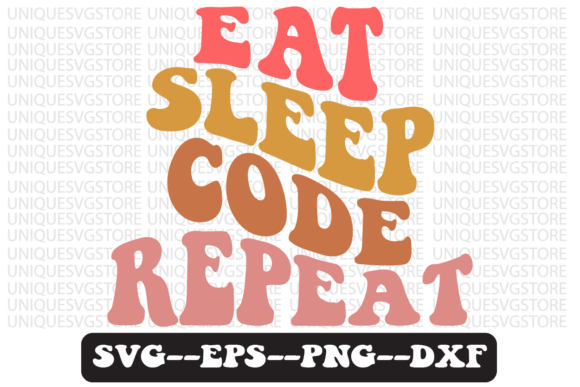
As a designer who has spent countless hours digitizing and stitching out embroidery files, I have learned that not every graphic translates well to thread. When I first encountered the Eat Sleep Code Repeat Retro Svg Design, my initial reaction was one of cautious optimism. The retro aesthetic is currently dominating the Crafts market, but executing it in embroidery requires a keen eye for detail. This review breaks down how this specific Graphics asset performs when moved from a digital screen to a tangible, stitched reality.
First Impressions and Visual Mood
The phrase "Eat Sleep Code Repeat" immediately signals its target audience: developers, programmers, and tech enthusiasts. The retro styling suggests a nod to early computing eras, which adds a layer of nostalgia and personality. Visually, the layout feels balanced, with a clear hierarchy that guides the eye. For an embroidery project, this is crucial. Complex, cluttered designs often turn into muddy messes once stitched, but this design maintains enough negative space to allow the stitches to breathe. The mood is playful yet professional, making it suitable for both casual wear and office-appropriate custom apparel.
Real-World Application: The Developer Sweatshirt
To truly test the viability of this design, I imagined a real-life scenario: creating a custom gift for a software engineer friend. I chose a high-quality cotton blend sweatshirt as the canvas. The goal was to create a personalized gift that felt boutique-quality rather than mass-produced. Using the Eat Sleep Code Repeat Retro Svg Design, I focused on placement. Centering it on the chest allowed the text to remain legible without being overwhelming. The result was a piece of custom apparel that sparked conversation and demonstrated a deep understanding of the recipient’s passion. This kind of thoughtful application is what drives sales for Etsy sellers and small shop product creators.
Stitching Clarity and Technical Considerations
When working with text-based designs, clarity is paramount. In embroidery, small lettering can easily become illegible if the stitch density is too high or if the wrong stitch type is used. While this product is marketed as a printable SVG and PNG for sublimation, adapting it for machine embroidery requires careful digitization or selecting a pre-digitized version that respects the original shape. If you are converting this graphic yourself, pay close attention to the corners of the letters. Sharp angles in retro fonts can pull fabric if not properly underlaid with a running stitch or light fill stitch.
For those using this as a reference for applique design work, the bold shapes lend themselves well to fabric cutouts. However, for standard embroidery, ensure your thread colors contrast sufficiently with the fabric. A neon green thread on a black hoodie might look great on screen, but in person, it needs to pop without vibrating visually. Testing on scrap fabric is non-negotiable here. Check how the satin stitch handles the curves of the letters and whether the stabilizer you are using provides enough support to prevent puckering.
Fabric and Hoop Size Constraints
One must be realistic about where this design fits best. It is ideal for medium to large hoop size applications. Trying to shrink this down for a small pocket logo on a cap might compromise the readability of the word "Code." Curved surfaces like caps require additional stabilization and potentially a different digitizing approach to account for the curvature. Similarly, textured fabrics like terry cloth towels can swallow up fine details. If you are creating a tote bag design or a sturdy canvas apron, the flat surface will showcase the design beautifully. However, on stretchy fabrics like thin jersey t-shirts, you must use a cut-away stabilizer to maintain the integrity of the finished product.
Commercial Viability for Craft Businesses
For craft business owners and creative entrepreneurs, the versatility of this design is a major selling point. It fits seamlessly into categories like holiday embroidery gifts for tech-savvy relatives or baby embroidery items for programmer parents. The retro vibe appeals to a broad demographic, increasing its potential for buyer engagement. When listing this as a digital embroidery file or a finished item, emphasize the quality of the stitch-out. Customers trust handmade product sellers who demonstrate attention to detail. Showcasing mockups on various items like onesies, hoodies, and long sleeve shirts can help buyers visualize the end result.
It is important to note that while the product description mentions it is a printable SVG and PNG, using it for commercial embroidery requires verifying the license. Always confirm whether the creator allows for the sale of physical items made with their design assets. Assuming commercial rights without confirmation can lead to legal issues. If the license permits, this design can be a strong addition to your portfolio of commercial embroidery offerings.
Practical Designer Notes
Before committing to a full production run or a client order, follow these practical steps:
- Test on Scrap Fabric: Always stitch out a sample on the same type of fabric you intend to use for the final product. This reveals issues with tension and density.
- Check Thread Contrast: Ensure your thread colors stand out against the background fabric. High contrast improves readability and visual appeal.
- Review Stitch Density: If digitizing, avoid overly dense fills that can cause stiffness or fabric distortion.
- Confirm Hoop Size: Make sure the design fits comfortably within your machine’s hoop, leaving room for stabilization.
- Inspect Small Details: Zoom in on the digital file to check for any stray nodes or unclear paths that might affect stitching.
- Mockup in Black and White: This helps identify value issues and ensures the design works even without color reliance.
- Verify Licensing: Double-check the terms for commercial use before selling finished items or digital products.
Final Verdict
The Eat Sleep Code Repeat Retro Svg Design is a strong contender for anyone looking to tap into the tech-nostalgia market. Its clean lines and recognizable theme make it a versatile choice for various embroidery projects. Whether you are creating a sweatshirt embroidery piece for a client or adding it to your shop’s lineup of printable mockup resources, this design holds up well under scrutiny. Just remember that successful embroidery is about more than just the image; it is about the execution. With proper preparation, stabilizer choice, and thread selection, this design can elevate your brand consistency and deliver a high-quality finished product that customers will love.