If Hard Work is the Key to Success, Most: A Designer’s Review
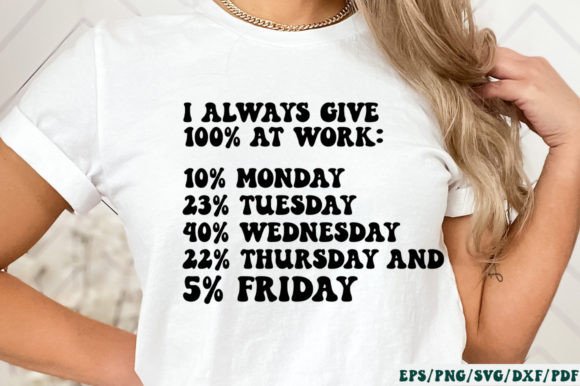
As a designer who has spent years translating digital concepts into thread, I have learned that not every funny quote translates well to fabric. Some designs look sharp on a screen but turn into a tangled mess under the needle. When I first encountered If Hard Work is the Key to Success, Most, I was immediately drawn to its retro aesthetic and dry humor. It is a piece of Graphics that feels like it belongs in the modern Crafts marketplace, but the real question is whether it holds up as a functional machine embroidery design for real-world products.
This review comes from the perspective of someone who needs to deliver high-quality finished product results to clients. I am not just looking at the visual appeal; I am evaluating how this embroidery file behaves when stitched onto various materials, how it impacts brand perception, and whether it is worth the machine time for a small business owner.
First Impressions and Visual Personality
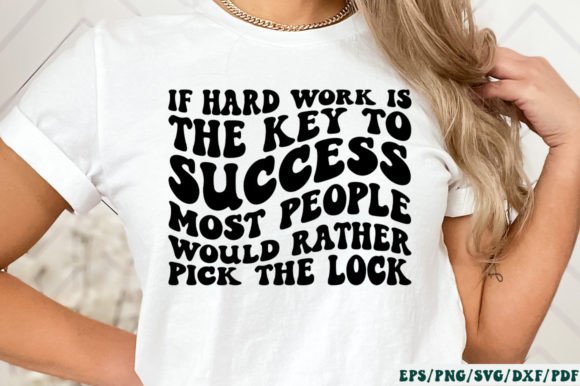
The immediate mood of If Hard Work is the Key to Success, Most is playful yet cynical, which resonates deeply with today’s audience. The retro styling suggests a vintage vibe, often achieved through specific font choices and layout structures. For an embroidery project, this means we are likely dealing with bold lines and potentially dense areas if the original vector is not optimized. The theme is universal, making it a strong candidate for a wide range of custom apparel and home goods.
From a layout perspective, the design appears balanced. However, as designers, we know that balance on paper does not always equal balance in thread. The visual personality here is casual and approachable, which makes it ideal for items meant to be worn or used daily. It does not scream "luxury," but it does shout "personality," which is exactly what many Etsy seller customers are looking for in a personalized gift.
Real-World Application: The Tote Bag Test
To truly evaluate this design, I imagined applying it to a heavy canvas tote bag design. This is a staple item for any craft business. The humor in the quote pairs perfectly with the utility of a tote bag, suggesting that while the owner works hard, they also have a sense of humor about the grind. When stitched onto canvas, the bold nature of the retro style should hold up well, provided the stitch density is managed correctly.
I also considered this design for sweatshirt embroidery. A crewneck sweatshirt provides a stable surface for larger text-based designs. The contrast between the soft fabric and the structured, witty message creates a compelling handmade product. Customers often buy these items as morale boosters or office gifts, meaning the clarity of the text is paramount. If the letters blur together, the joke is lost, and the value of the item drops significantly.
Navigating Technical Challenges
While the concept is strong, there are technical hurdles to consider. The description notes that the download includes SVG, DXF, PNG, EPS, and PDF formats. It is crucial to understand that these are primarily cut files for machines like Cricut or Silhouette, not necessarily native embroidery file formats like PES or DST. As a professional, I would need to convert these vectors into stitch data using embroidery software. This step is critical because automatic digitizing can ruin a good design.
When converting If Hard Work is the Key to Success, Most, I would pay close attention to small details. Retro fonts often have thick strokes, which can lead to excessive fill stitch usage. Too much fill can cause puckering, especially on thinner fabrics. I would recommend using a combination of satin stitch for outlines and careful fill management for larger letters. Additionally, testing the design on scrap fabric with the appropriate stabilizer is non-negotiable. A cut-away stabilizer might be necessary for stretchy fabrics like t-shirts to prevent distortion.
Another concern is the size. If you attempt to stitch this on a embroidered patch or a small hoop, the legibility of the text could suffer. Tiny lettering in a retro font can become illegible if the stitch count is too low or the needle size is too large. I advise checking the minimum hoop size required to maintain clarity before committing to a production run.
Commercial Viability and Brand Consistency
For commercial embroidery projects, consistency is key. This design fits well within a brand that values authenticity and humor. It is not suitable for formal corporate wear, but it is perfect for startup swag, creative agency gifts, or casual boutique merchandise. The versatility of the quote allows it to be used on aprons for coffee shops, caps for remote workers, or even pillow covers for home offices.
Buyer engagement often hinges on relatability. This design taps into the shared experience of modern work culture. When customers see a well-executed version of If Hard Work is the Key to Success, Most, they are more likely to trust the quality of the rest of your design assets. It signals that you understand current trends and can execute them with precision. This builds customer trust and encourages repeat business.
Practical Notes for Designers
Before you start stitching, keep these practical tips in mind:
- Test on Scrap Fabric: Always run a test stitch-out on the same type of fabric you plan to use for the final product. This helps identify issues with thread colors and tension.
- Check Contrast: Ensure the thread color contrasts sufficiently with the fabric. A dark thread on a dark fabric will make the text hard to read, ruining the impact of the quote.
- Review Stitch Density: High density can cause fabric to pucker. Adjust your digitizing settings to reduce density where possible without sacrificing shape.
- Confirm Licensing: Since the source files are SVG and DXF, ensure you have the right to use the resulting embroidered items for commercial sale. Check the license terms provided with the download.
- Mockup Testing: Create black and white mockups to see how the design reads without color distraction. This helps verify that the layout is balanced and the text is legible.
In conclusion, If Hard Work is the Key to Success, Most is a promising design for those who understand the technical requirements of embroidery. It offers a blend of humor and style that appeals to a broad audience. However, its success depends entirely on the skill of the digitizer and the care taken during the stitching process. For small shop product lines and holiday embroidery gifts, it has significant potential if executed with precision. Treat it as a serious embroidery project, respect the material constraints, and it will serve as a valuable asset in your creative toolkit.