Reviewing the Less House More Home Retro SVG
As a designer who has spent countless hours digitizing and stitching out patterns for clients, I have learned that not every graphic translates well to thread. When I first encountered the Less House More Home Retro Svg Design, my initial reaction was one of cautious optimism. The phrase itself carries a warm, nostalgic weight that resonates deeply in today’s market, but the execution is what determines whether it becomes a bestseller or a scrap bin regret. This review breaks down how this specific asset performs when moved from the digital screen to the tangible reality of a machine embroidery design workflow.
The Visual Personality and First Impressions
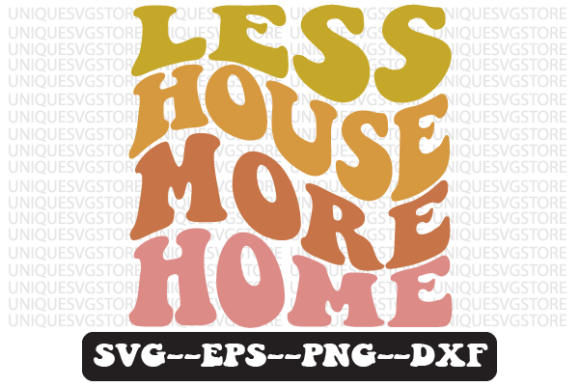
The aesthetic of this piece is undeniably retro. It leans into that mid-century modern vibe that has dominated home decor and apparel trends for the last few years. For those of us working in Crafts and Graphics, recognizing a trend is easy; predicting its longevity in stitch form is harder. The layout appears balanced, with a typographic focus that suggests comfort and simplicity. However, as an experienced reviewer, I look past the pretty preview image. I ask myself: how will those curves hold up under tension? Will the negative space remain clean, or will the fabric pull through?
The mood created here is inviting. It is not aggressive or overly complex, which makes it versatile. It feels like something you would want on a cozy Sunday morning sweatshirt or a sturdy canvas tote. This emotional connection is crucial for Etsy sellers and small shop product creators because it drives impulse buys based on feeling rather than just utility.
Real-World Application: The Tote Bag Test
To truly evaluate the Less House More Home Retro Svg Design, I mentally placed it on a heavy-weight cotton canvas tote bag. This is a common request for craft business owners looking to expand their design assets. On a flat, stable surface like a tote, the design should shine. The retro font style likely requires careful attention to stitch density. If the letters are too thin, they may disappear into the weave of the canvas. If they are too dense, the bag might pucker.
In this scenario, I would recommend using a cut-away stabilizer to ensure the text remains crisp. The "Stay home" sentiment fits perfectly with the current desire for hygge and domestic comfort. A customer picking up this handmade product is buying into a lifestyle. The clarity of the stitching directly impacts their perception of quality. Sloppy edges or thread breaks in the curved letters would undermine the professional look required for commercial embroidery.
Apparel Challenges: Sweatshirts and Onesies
Moving from totes to apparel introduces new variables. Let’s consider a unisex crewneck sweatshirt. This is a staple for custom apparel shops. The fleece interior of a sweatshirt provides a natural cushion, which can be beneficial for fill stitch areas. However, the stretch of the fabric is a concern. If the Less House More Home Retro Svg Design includes large solid blocks of color, it could become stiff and uncomfortable against the skin. I would advise breaking up any large filled areas with lighter patterns or ensuring the digitization uses a flexible stitch pattern.
For baby items, such as a onesie, the scale becomes critical. While the description mentions it is printable for sublimation, many crafters adapt SVGs for embroidery. If you are stitching this on a tiny garment, you must check the hoop size compatibility. Tiny lettering can easily turn into a blob if the needle count is too high for the small area. Always test on scrap fabric of the same weight before committing to the final finished product. Parents value durability, so ensuring the threads are secure and the design withstands washing is paramount for maintaining customer trust.
Navigating Fabric Textures and Colors
One of the biggest pitfalls in using retro-style graphics is contrast. This design likely relies on a specific color palette to convey its vintage feel. When translating this to thread, you must be meticulous with your thread colors. On dark fabrics, light threads are necessary, but they must be thick enough to cover the background without showing gaps. On light fabrics, darker threads provide definition.
Textured fabrics like terry cloth towels or waffle-knit blankets present another challenge. The fabric texture can swallow fine details. If the Less House More Home Retro Svg Design has intricate serifs or thin connecting lines, they may get lost in the pile of a towel. In such cases, I recommend using a water-soluble topping to keep the stitches on the surface of the fabric. This ensures the embroidery project looks clean and professional, enhancing the brand consistency of your shop.
Commercial Viability and Licensing Considerations
For digital product sellers and those creating printable mockup previews, this asset offers flexibility. However, it is vital to distinguish between the printable PNG aspect and the potential for embroidery. Since the product is described as a printable SVG and PNG for sublimation, using it for embroidery requires a clear understanding of the license. Does the creator allow for physical goods sales? Most do, but always verify before listing items on your store.
From a marketing perspective, this design supports strong buyer engagement. It is shareable on social media because it speaks to a universal desire for comfort. For holiday embroidery projects, such as gift sets for housewarmings or Christmas presents, this theme is evergreen. It does not date quickly, unlike more trendy slang or pop-culture references. This longevity adds value to your small business merchandise inventory.
Practical Designer Notes for Success
Before you load this file into your machine, take these practical steps:
- Test Stitch Out: Always run a test on similar fabric to check for puckering or thread breaks.
- Check Density: Ensure the stitch count is appropriate for the garment type. Heavy density on a thin t-shirt will cause distortion.
- Contrast Check: View your design in black and white to ensure the shapes are distinct and readable without color reliance.
- Stabilizer Selection: Match your stabilizer to the fabric weight. Use tear-away for stable woven fabrics and cut-away for knits.
- Hoop Placement: Center the design carefully, especially on caps or curved surfaces, to avoid visual distortion.
The Less House More Home Retro Svg Design is a strong contender for makers looking to add warmth to their portfolio. It bridges the gap between digital convenience and tactile craftsmanship. By respecting the limitations of the medium and focusing on quality execution, you can turn this simple graphic into a high-value personalized gift or a standout item in your embroidered patch collection. Remember, the success of the project lies not just in the design file, but in the skill and care applied during the stitching process.