Reviewing the "No Such Thing As Too Much Cheese" Design
As a designer who has spent countless hours digitizing and stitching out embroidery files, I have learned that not every graphic translates well to thread. When I first encountered There s No Such Thing As Too Much Cheese, my initial reaction was one of cautious optimism. The retro aesthetic is undeniably trendy right now, but trendiness alone does not make a viable machine embroidery design. I needed to know if this piece would hold up under the needle or if it would become a tangled mess of broken threads and frustrated customers.
This review comes from the perspective of someone who sells handmade products and manages client expectations daily. I am not just looking at the visual appeal; I am looking at stitchability, fabric compatibility, and commercial viability. Here is my honest assessment of using this Graphics asset in real-world Crafts projects.
First Impressions and Visual Personality
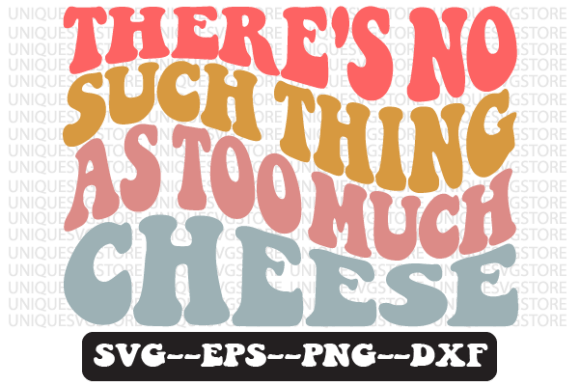
The mood of There s No Such Thing As Too Much Cheese is playful, nostalgic, and unapologetically bold. The retro styling suggests a 1970s influence, which pairs perfectly with the current demand for vintage-inspired home decor and apparel. For an embroidery project, this is a strong starting point because it evokes an emotional response. It is not just a picture of cheese; it is a statement piece.
However, as a reviewer, I look past the concept to the execution. Since this is provided as a printable product including SVG and PNG formats, it is primarily a sublimation or print-ready asset. This distinction is critical. If you are an embroiderer, you cannot simply load a PNG into your machine. You must either manually digitize the design or use auto-digitizing software, which often fails with complex retro fonts and detailed illustrations. If you are using this for sublimation on polyester blends, the clarity is excellent. But for those of us working with thread, the "retro" look requires careful translation into satin stitch and fill stitch patterns to maintain that crisp, vintage edge without losing definition.
Real-World Application: The Tote Bag Test
To evaluate practicality, I imagined applying this design to a canvas tote bag design project. Canvas is forgiving, but it has a loose weave. A design with thin lines or tiny details can get lost in the texture. There s No Such Thing As Too Much Cheese features bold lettering, which is advantageous here. In a real-life scenario, I would recommend using a heavy cut-away stabilizer to prevent puckering, especially given the likely density of the fill areas in the cheese illustrations.
I also considered its use on a sweatshirt embroidery project. Fleece and cotton blends are popular for custom apparel, but they present challenges with pile. If the design includes small text or intricate cheese holes, these details might sink into the fabric. For a small shop product, I would advise testing the design on scrap fabric first. If the details disappear, you may need to simplify the digitization, perhaps converting smaller elements into applique design sections rather than trying to stitch every tiny detail.
Fabric and Hoop Considerations
One of the most important aspects of any embroidery file review is understanding where it fails. While There s No Such Thing As Too Much Cheese is versatile, it is not universal. Here are specific scenarios where caution is required:
- Small Hoop Sizes: If you are working with a 4x4 inch hoop, the full phrase may be too large. You might need to split the design or reduce it significantly, which could compromise the legibility of the retro font.
- Textured Fabrics: On terry cloth or heavily textured linen, fine lines vanish. This design works best on smooth surfaces like twill, denim, or high-count cotton.
- Stretchy Fabric: For baby embroidery on onesies, the stretch of the knit fabric can distort the design. Proper hooping and stabilizer selection are non-negotiable here.
- Dark Fabric: If you are stitching on black or navy, ensure your thread colors have enough contrast. Retro palettes often use muted tones, which may not pop against dark backgrounds without a white underlay or outline.
Commercial Viability for Etsy Sellers
For Etsy sellers and craft business owners, the question is always: will this sell? The answer lies in the niche. Foodie humor, kitchen decor, and quirky gifts are evergreen markets. This design fits perfectly into holiday embroidery for casual gatherings or as a personalized gift for a cheese lover. It adds value because it is specific and relatable.
However, since the product description notes it is a printable product with SVG and PNG files, you must clarify your usage rights. If you are selling finished physical items like embroidered patch goods or aprons, ensure you have the right to use the graphic as a reference for digitizing. Many digital sellers do not allow their graphics to be converted into competing embroidery files. Always check the license before listing your finished product online. If you are using it for sublimation, the process is straightforward, but for embroidery, you are creating a new derivative work. This distinction affects your brand consistency and legal safety.
Practical Designer Notes
Before you commit to a large production run or a high-priced custom order, follow these steps:
- Test on Scrap Fabric: Never stitch directly on the final garment. Use the same fabric type and weight to check for puckering or thread breaks.
- Check Stitch Density: If you digitize this yourself, avoid excessive overlap. Retro designs can look blocky if the fill stitch density is too high. Aim for a balance that covers the fabric but allows it to breathe.
- Mockup in Black and White: Remove color to see if the design holds its shape. If it looks muddy in grayscale, it will look messy in thread.
- Verify Licensing: Confirm if the SVG/PNG license allows for commercial use in physical goods. This is crucial for commercial embroidery projects.
- Consider Applique: For larger versions on pillow covers or blankets, consider making the cheese wheels applique pieces. This reduces stitch count and adds texture, enhancing the handmade product feel.
Final Verdict
There s No Such Thing As Too Much Cheese is a charming, marketable design with strong potential for small business merchandise and custom apparel. Its retro vibe appeals to a broad audience, and its bold layout translates well to various mediums. However, its success depends entirely on proper technical execution. For sublimation, it is ready to go. For embroidery, it requires thoughtful digitization and material testing. If you respect the limitations of thread and fabric, this design can become a standout item in your design assets portfolio, driving engagement and sales through its humorous and stylish appeal.