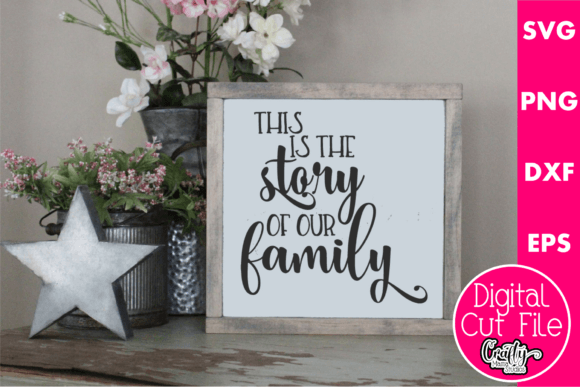
Reviewing This is the Story of Our Family for Embroidery
As a designer who has spent countless hours digitizing and stitching out files, I approach every new machine embroidery design with a mix of curiosity and skepticism. We have all been there: you download a file that looks pristine on the screen, only to find it turns into a tangled mess of thread breaks and puckering once it hits the fabric. That is why I took a close look at This is the Story of Our Family, evaluating it not just as a graphic asset, but as a practical tool for real-world production.
The first impression of this design is its emotional weight. It is not just a collection of letters; it carries a narrative quality that resonates immediately. For those of us in the crafts industry, specifically those selling handmade products, finding designs that balance aesthetic appeal with sentimental value is crucial. This piece fits squarely into that niche. The layout suggests a modern, clean typography style, which is essential for readability after stitching. When I visualize this on a project, I do not see clutter. I see a statement piece that invites the viewer to pause and reflect.
Real-World Application and Project Fit
To truly test the viability of any embroidery file, you must imagine it on actual goods. I pictured this design on a heavy-weight canvas tote bag. The boldness of the phrase "This is the Story of Our Family" works exceptionally well here. On a tote, you have the surface area to let the text breathe, ensuring that each letter remains distinct. It transforms a simple bag into a cherished keepsake, perfect for family reunions or holiday gatherings.
Another strong candidate for this design is sweatshirt embroidery. A crewneck sweatshirt provides a stable, thick fabric base that handles stitch density well. Placing this quote across the chest or slightly lower on the torso creates a boutique-style look that appeals to customers looking for custom apparel with meaning. However, I would be cautious about placing it on a fitted t-shirt. The curvature of the body and the stretch of the fabric can distort long horizontal lines of text, potentially making the message harder to read if the hoop tension is not perfectly managed.
For Etsy sellers and small shop owners, versatility is key. This design could easily be scaled down for a pocket placement on a denim jacket or upsized for a pillow cover in a nursery. The theme lends itself beautifully to baby embroidery projects, such as milestone blankets or personalized bibs, where the concept of family history is paramount. It also serves as an excellent choice for holiday embroidery gifts, offering a timeless message that does not feel seasonal or dated.
Technical Considerations for Stitching
While the sentiment is strong, the technical execution requires attention. Since this is provided as an SVG, EPS, DXF, and PNG package, it is primarily a vector graphic intended for cutting machines like Cricut. However, many embroiderers use these vectors as a basis for auto-digitizing or as a reference for manual digitizing. If you are using this as a cut file for appliqué, the process is straightforward. But if you are converting this into a stitched embroidery project, you must consider stitch types.
Long, straight lines of text often require a combination of satin stitch for smaller letters and fill stitch for larger ones to prevent snagging. If you are digitizing this yourself from the provided SVG, pay close attention to the corners of letters like 'S' and 'F'. Sharp corners in vector graphics can translate to dense stitch clusters in embroidery, leading to thread breaks. I recommend adding slight underlay stitches to stabilize the fabric before the top stitching begins.
Stitch density is another critical factor. If the design is too dense, it will cause the fabric to pucker, especially on lighter materials. Always test the design on scrap fabric that matches your final product. If you are stitching on a tote bag design made of canvas, you can handle higher density. But for a delicate baby onesie, you must reduce the density and use a high-quality stabilizer to support the stitches without adding bulk.
Navigating Fabric and Hoop Constraints
Not every surface is ideal for this type of textual design. Curved surfaces, such as caps or hats, present a challenge. The horizontal nature of the phrase "This is the Story of Our Family" may warp when stitched onto the curved front panel of a cap. In such cases, consider breaking the text into two lines or reducing the overall size significantly. Similarly, textured fabrics like terry cloth or heavy fleece can obscure fine details. Ensure that the font weight is substantial enough to remain visible against the pile of the fabric.
Dark fabrics require careful planning of thread colors. A light thread on dark fabric provides contrast, but you must ensure the background fabric does not show through the stitches. Using a matching underlay thread can help mask the fabric color and improve the vibrancy of the top threads. Always run a test stitch-out in black and white mockups first to check for clarity and contrast issues before committing to colorful threads.
Commercial Viability and Brand Consistency
For commercial embroidery professionals, the licensing terms are vital. Since this package includes multiple formats, it is versatile for various uses, from physical goods to digital mockups. However, always confirm the specific license attached to the file before selling finished items. A design that enhances brand consistency and builds customer trust is one that looks professional and intentional. This design’s clean lines and inspirational tone contribute positively to the perceived value of the finished product.
When creating printable mockup assets for your online store, the PNG included in the package allows for quick visualization. This helps potential buyers see how the design looks on different products, increasing buyer engagement. For digital embroidery file sellers, offering this as part of a bundle with other family-themed quotes could boost sales.
Final Designer Notes
Before launching this design into your production line, take these practical steps:
- Test the design on scrap fabric first to check for puckering or thread breaks.
- Verify the hoop size required for your specific machine and adjust the design scale accordingly.
- Inspect small details in the vector file to ensure they translate well to stitches.
- Use proper stabilizer, especially for stretchy or thin fabrics.
- Confirm licensing terms to ensure compliance for both personal and commercial projects.
- Compare the design on both light and dark fabric backgrounds to assess contrast.
In conclusion, This is the Story of Our Family is a compelling addition to any designer’s library. It offers emotional resonance and visual clarity, making it suitable for a wide range of graphics and embroidery applications. With careful attention to technical details and fabric selection, it can elevate your craft business offerings and create meaningful connections with your customers.