Reviewing Laundry Schedule for Real Embroidery Projects
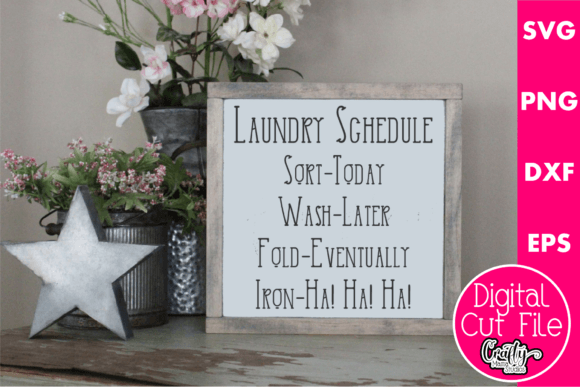
As a designer who spends half my life digitizing and the other half stitching, I have learned to look past the flashy thumbnails on digital marketplaces. We all know the drill: a design looks crisp on a screen, but the reality of thread, fabric tension, and hoop pressure tells a different story. Recently, I came across Laundry Schedule, a piece that falls squarely into the realm of sarcastic home decor and humorous apparel. It is marketed as a funny laundry SVG file, suitable for Cricut users and digital crafters, but my interest was specifically in how this graphic translates when put under the needle of an embroidery machine.
The initial impression of Laundry Schedule is one of relatable chaos wrapped in clean typography. The mood it creates is lighthearted and slightly rebellious, tapping into the universal exhaustion of household chores. For those of us in the Crafts and Graphics space, understanding the emotional hook is just as important as the technical execution. This design does not try to be elegant; it tries to be honest. That honesty is what sells. But does it stitch well? That is the question I needed to answer before committing it to a client project or adding it to my own small shop inventory.
From Screen to Stitch: A Practical Test Case
To evaluate Laundry Schedule properly, I did not just look at the vector lines. I imagined it on a finished product. My test case was a custom embroidered tote bag intended for a boutique client who specializes in witty, functional home goods. Tote bags are tricky because canvas has a distinct texture that can swallow fine details if the stitch density is not managed correctly.
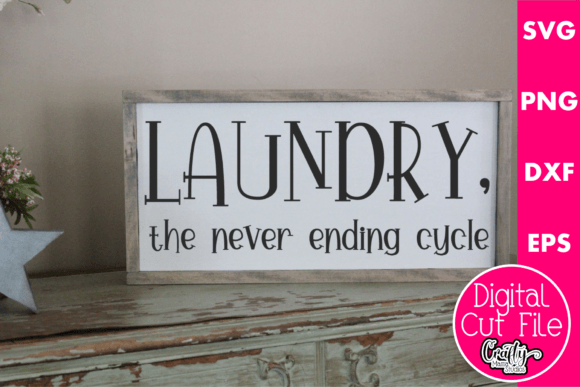
The design’s layout is primarily typographic with some illustrative elements that suggest a schedule or checklist. In embroidery, text is the hardest element to get right. If the letters are too thin, they disappear into the fabric weave. If they are too dense, the fabric puckers. When reviewing the digital embroidery file components included in the download—specifically the SVG, EPS, DXF, and PNG formats—I noted that while these are excellent for cutting machines like Cricut, an embroiderer must be cautious. These vector files are not stitch files. You cannot simply import an SVG into your embroidery software and expect a perfect result without manual digitizing or using a reliable auto-digitize function with heavy oversight.
However, assuming the design has been properly converted or purchased as a pre-digitized embroidery file from a source that provides actual stitch data, the visual personality of Laundry Schedule shines. The sarcastic quote nature of the design lends itself well to satin stitch borders with fill stitch interiors for larger letters. This combination provides the durability needed for items that will be washed frequently, such as kitchen towels or aprons.
Versatility Across Product Lines
One of the strongest assets of this design is its adaptability. It is not limited to one niche. I can see Laundry Schedule working effectively across several categories:
- Custom Apparel: On a sweatshirt, the design acts as a statement piece. The humor resonates with anyone who dries laundry day.
- Home Decor: Embroidered pillow covers or tea towels benefit from the playful tone. It turns a mundane object into a conversation starter.
- Personalized Gifts: For housewarming gifts or wedding presents, adding a couple’s name below the schedule adds a layer of customization that increases perceived value.
- Small Shop Merchandise: For Etsy sellers, this fits perfectly into the "relatable mom" or "bachelor pad" aesthetic, broadening the target audience.
When considering baby embroidery, however, I would advise caution. The sarcasm might be lost on infants, and the potentially dense stitching required for clear lettering might be too stiff for delicate baby clothes. Stick to adult apparel or sturdy home textiles for this specific theme.
Technical Considerations for the Embroiderer
Before you load this design onto your machine, there are critical technical factors to address. Since the source material is described as a Funny Laundry Svg File and includes formats like DXF and PNG, you must ensure you are working with a proper stitch file if you are doing machine embroidery. If you are digitizing it yourself from the SVG, pay close attention to stitch density.
Text-heavy designs often suffer from "thread buildup" where overlapping stitches create bulk. To mitigate this:
- Test on Scrap Fabric: Always run a test stitch-out on the same type of fabric you intend to use. Canvas behaves differently than jersey knit.
- Check Thread Color Contrast: Sarcastic designs rely on readability. Ensure your thread colors pop against the background. A dark thread on a dark fabric will render the joke invisible.
- Use Proper Stabilizer: For stretchy fabrics like t-shirts, a cut-away stabilizer is non-negotiable to prevent distortion after washing. For woven fabrics like tote bags, a tear-away might suffice, but hooping tightly is key.
- Inspect Small Details: If the design includes tiny icons or punctuation marks, verify that they are large enough to stitch cleanly. Tiny details often turn into messy blobs if the needle penetration is too high.
Also, consider the hoop size. If you are placing this on a curved surface like a cap, ensure the design fits within the usable area of your cap frame. Curved surfaces distort designs, so keeping the layout centered and balanced is crucial for professional results.
Commercial Viability and Brand Consistency
For Etsy sellers and creative entrepreneurs, Laundry Schedule offers a quick win. Humorous quotes sell because they evoke an immediate emotional response. However, brand consistency matters. If your shop focuses on minimalist, serene aesthetics, this sarcastic design might clash. But if your brand voice is witty, modern, and unapologetic, this design reinforces your identity.
When creating printable mockups or digital previews for your listing, show the design in context. A flat image of the embroidery does not convey the texture and depth that thread provides. Show it on a crumpled towel or a worn-in sweatshirt to help buyers visualize the finished product. This builds trust and reduces return rates.
Finally, always confirm licensing. While the product description mentions it is a digital download for personal and commercial use, always read the specific terms provided by the creator. Some licenses allow selling physical items but prohibit reselling the digital file itself. Clarifying this protects your craft business from legal issues down the line.
In conclusion, Laundry Schedule is a strong contender for designers looking to add humor to their portfolio. It requires careful technical handling regarding stitch density and fabric choice, but when executed well, it delivers a high-impact, engaging product that customers love to buy and gift. Whether you are making a single personalized gift or stocking up for a holiday craft fair, this design proves that sometimes, the best art is just a little bit sarcastic.