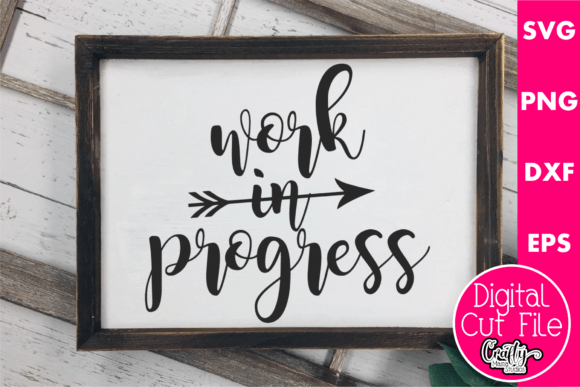
Reviewing Work in Progress for Real Embroidery
As a designer who spends more time staring at stitch maps than actual fabric, I have learned that the difference between a charming handmade item and a costly mistake often lies in the source file. When I downloaded Work in Progress, I was not just looking for another cute quote to slap on a tote bag. I was evaluating it as a potential cornerstone for a client’s spring collection. The phrase itself—You Got This paired with Courage and Be Yourself—suggests a modern, motivational aesthetic. But does the digital asset hold up when translated into thread?
First Impressions and Visual Personality
The initial download includes SVG, EPS, DXF, and PNG formats, which is standard for Graphics in the Crafts category. However, my focus was immediately on how these vector lines would translate into a machine embroidery design. The layout feels open and breathable. There is no unnecessary clutter, which is crucial for embroidery. Overly complex designs often result in thread breaks or puckering, especially on stretchy fabrics.
The mood of Work in Progress is resilient yet gentle. It does not shout; it encourages. This makes it versatile. It fits naturally into the narrative of a small business owner who values authenticity. Visually, the lettering appears balanced, with enough spacing to allow for proper stitch formation without the threads merging into an illegible blob. For an Etsy seller or boutique owner, this visual clarity translates directly to perceived quality.
Real-World Application: The Custom Sweatshirt Test
To truly evaluate this embroidery file, I imagined a specific scenario: a custom order for a local yoga studio owner wanting branded custom apparel. She requested a minimalist look on high-quality cotton fleece sweatshirts. This is where Work in Progress shines. The inspirational quotes included in the pack allow for variety while maintaining brand consistency.
I visualized placing the You Got This variant on the left chest area. Because the design relies on clean lines rather than dense fills, it avoids the "cardboard effect" that plagues many digital embroidery files. On a textured fabric like fleece, a lighter stitch count is preferable. If this design were converted into a satin stitch border with minimal fill stitch interior, it would sit flat against the fabric, ensuring comfort for the wearer. This is critical for handmade product lines where customer retention depends on wearability.
Navigating Fabric and Hoop Constraints
While the design is robust, it is not immune to the physics of embroidery. I would exercise caution when using this on very thin or slippery fabrics, such as silk or lightweight rayon. Without a proper stabilizer, even a well-digitized design can pull the fabric out of shape. For a tote bag design made from heavy canvas, the structure is less of an issue, but needle choice becomes paramount to prevent skipped stitches.
Another consideration is hoop size. If you are working with a 4x4 inch hoop, you must ensure the longest phrase fits comfortably with adequate margin for the frame. I recommend testing the scaling on your specific machine. While the SVG format allows for infinite resizing, the resulting stitch density must be adjusted manually if you are digitizing it yourself, or verified if purchasing a pre-digitized version. Tiny lettering, such as the finer details in Be Yourself, might lose definition if scaled down too far for a small embroidered patch.
Commercial Viability and Brand Trust
For small shop product lines, consistency is key. Using a cohesive set like Work in Progress helps build a recognizable aesthetic. When customers see a personalized gift with clean, professional stitching, their trust in the brand increases. This design supports that by offering a polished look that does not require advanced finishing techniques.
However, commercial use requires diligence. Before listing items on Etsy or selling at craft fairs, you must confirm the licensing terms associated with the download. The description mentions it includes various formats for Cricut, but embroidery licensing can differ from cutting machine licenses. Always verify if the design assets permit unlimited sales of finished physical goods. Assuming the license allows it, this pack offers excellent value for creating a range of products, from baby embroidery on onesies to holiday embroidery on kitchen towels.
Practical Designer Notes
Before committing to a full production run, follow these steps:
- Test on Scrap Fabric: Always stitch out a sample on the exact fabric type you intend to use. Check for puckering or thread breaks.
- Check Thread Contrast: The design’s readability depends on contrast. Test light threads on dark fabrics and vice versa. A running stitch outline might disappear on busy prints.
- Inspect Small Details: Zoom in on the vector file. Are there any stray nodes or overlapping paths that could confuse your digitizing software or embroidery machine?
- Mockup Verification: Create black and white mockups to ensure the design holds its shape without color reliance. This is vital for printable mockup previews used in online listings.
- Stabilizer Selection: Use cut-away stabilizer for stretchy garments like t-shirts and tear-away for stable fabrics like canvas totes.
Final Verdict on Work in Progress
Work in Progress is more than just a collection of SVGs; it is a viable resource for serious makers. Its strength lies in its simplicity and emotional resonance. It avoids the trap of being overly trendy, which means it has a longer shelf life for your inventory. Whether you are creating a sweatshirt embroidery piece for a corporate gift or a delicate pillow cover for a nursery, this design adapts well.
The inclusion of multiple formats ensures compatibility with various workflows, though embroidery-specific digitization is still required for optimal results. By treating this Graphics pack as a foundation rather than a final product, you can elevate your craft business offerings. Remember, the best embroidery project is one that looks as good after ten washes as it did coming off the machine. With careful attention to stitch density and fabric choice, Work in Progress can help you achieve that standard.
For those looking to expand their design assets with meaningful, versatile content, this pack warrants a spot in your library. Just keep your stabilizer handy and your tension dial calibrated. Happy stitching.